A Ten-Minute Call Still Counts
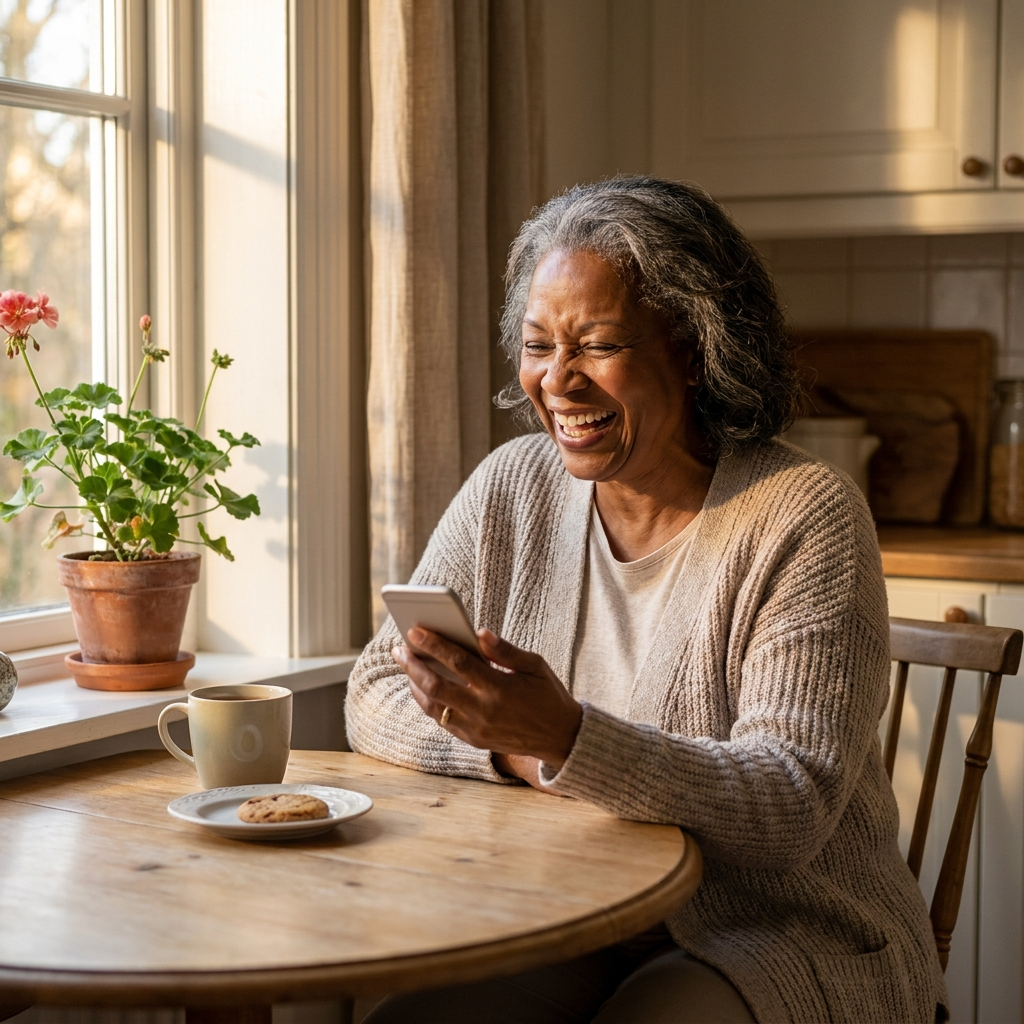
In the summer of 2020, sixteen young volunteers, most of them college students, were each given six to nine phone numbers and one job: listen.
The people they called were Meals on Wheels clients in Central Texas. Most were older, all were homebound, and more than half lived alone.
The calls were meant to be short, under ten minutes, at whatever time of day each person picked. Five days a week at first, then as often as each person wanted, down to twice a week. Most kept all five.
The callers had an hour of training in how to listen and no script. They asked about whatever the other person brought up, and kept notes on what to follow up on next time.
🧠 It was a randomized trial run by the University of Texas at Austin. After four weeks, the people who got the calls were less lonely than those randomly assigned to get none. They were less anxious, too.
That was the whole program. A few minutes, most days, from someone who remembered what came up the time before.
That is worth holding onto on the busy weeks. A short call still counts, and the habit behind these ones is easy to borrow. Ask about whatever your parent brought up last time.
Eleanor is a voice-first companion for seniors, built for that kind of daily conversation.
📌 Bookmark this for the days a short call feels like it doesn’t count. 💬 What does your parent always want to talk about?
Source: “Effect of Layperson-Delivered, Empathy-Focused Program of Telephone Calls on Loneliness, Depression, and Anxiety Among Adults During the COVID-19 Pandemic: A Randomized Clinical Trial.” JAMA Psychiatry, 2021.